Summer in Virginia brings long days, warmer temperatures, and increased humidity. While many homeowners focus on staying cool during the hottest months of the year, fewer realize how much summer humidity can impact the interior of their homes—especially drywall and flooring.
Excess moisture in the air doesn’t just create discomfort. Over time, it can cause materials inside your home to expand, warp, crack, stain, or deteriorate. Drywall may develop nail pops, soft spots, or mold growth, while flooring materials can swell, buckle, or separate.
At Dickinson Drywall & Construction, we regularly help homeowners repair and prevent humidity-related damage during the summer months. Understanding how humidity affects your home can help you catch small issues early and protect your investment long-term.
This guide explains how summer humidity impacts drywall and flooring, what warning signs to watch for, and how homeowners can reduce the risk of moisture-related damage.
Why Humidity Is a Problem in Virginia Homes
Humidity refers to the amount of moisture in the air. During Virginia summers, humidity levels often rise significantly due to heat, rain, and seasonal weather patterns.
When indoor humidity becomes too high, building materials absorb that moisture. Materials like wood, drywall, and subflooring naturally expand and contract as humidity changes throughout the year.
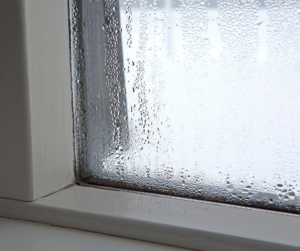
Over time, excess humidity can lead to:
- Warped flooring
- Swollen wood materials
- Drywall cracks or nail pops
- Mold and mildew growth
- Peeling paint
- Musty odors
- Structural deterioration
Homes in the Fredericksburg region are especially vulnerable during the summer because warm outdoor air frequently enters cooler indoor spaces, creating condensation and trapped moisture.
Basements, bathrooms, kitchens, laundry rooms, and poorly ventilated spaces are often the first areas affected.
How Humidity Affects Drywall
Drywall is designed to be durable, but it is still vulnerable to prolonged moisture exposure. High humidity doesn’t always cause immediate visible damage, but repeated exposure over time can weaken drywall and affect its appearance.
Expansion and Contraction
Drywall naturally expands slightly as it absorbs moisture from humid air. As humidity levels change, the drywall contracts again.
This repeated movement can eventually cause: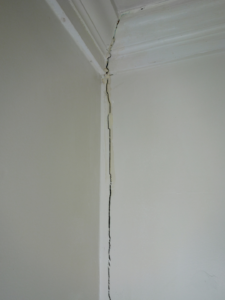
- Nail pops
- Small cracks near seams
- Joint compound separation
- Corner bead cracking
These issues are especially common in homes that experience large temperature swings between seasons.
Soft or Sagging Drywall
In areas with consistently high moisture—such as basements or bathrooms—drywall may begin to soften or sag. This is particularly common when standard drywall is used instead of moisture-resistant materials.
Over time, softened drywall can lose structural integrity and require replacement.
Mold and Mildew Growth
One of the biggest concerns with humid conditions is mold growth. Drywall absorbs moisture easily, and when combined with warm temperatures and poor ventilation, it creates an ideal environment for mold and mildew.
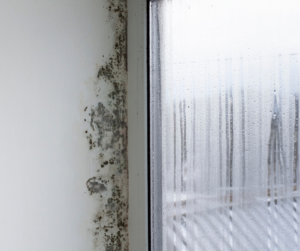
Signs of mold-related drywall damage may include:
- Discoloration or staining
- Musty odors
- Bubbling paint
- Black or green spots near corners or ceilings
Mold issues should always be addressed quickly to prevent further spread.
Peeling Paint and Texture Damage
Humidity can also affect painted drywall surfaces. Excess moisture may cause paint to bubble, peel, or lose adhesion over time.
Textured ceilings and walls are especially vulnerable because moisture can become trapped within uneven surfaces.
How Humidity Affects Flooring
Flooring materials react differently to humidity depending on the product type, but nearly all flooring is affected to some degree by excess moisture.
Hardwood Flooring Expansion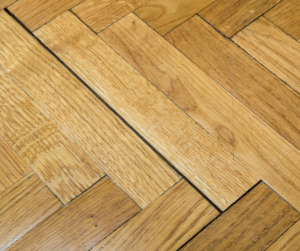
Hardwood flooring is particularly sensitive to humidity because wood naturally absorbs moisture from the air.
During humid summer months, hardwood planks can expand. If there isn’t enough room for this natural movement, homeowners may notice:
- Buckling
- Crowning
- Gaps disappearing between planks
- Raised edges
If moisture levels become excessive, boards may warp permanently.
This is why proper installation and humidity control are so important for hardwood floors in Virginia homes.
Laminate Flooring Swelling
Laminate flooring has a fiberboard core that is highly sensitive to moisture. While the surface layer may resist spills temporarily, humidity can still seep into seams over time.
Signs of laminate moisture damage include:
- Swollen edges
- Bubbling surfaces
- Warped planks
- Soft spots underfoot
Once laminate absorbs significant moisture, replacement is often necessary.
Luxury Vinyl Plank (LVP) Performance
Luxury vinyl plank is one of the most moisture-resistant flooring options available, which is one reason it has become so popular.
However, even LVP can experience issues if moisture becomes trapped beneath the flooring due to:
- Poor subfloor preparation
- Basement humidity
- Water intrusion
- Inadequate vapor barriers
Excess moisture beneath the floor can eventually affect adhesives, seams, or subfloor materials.
Carpet and Padding Issues
Humidity also impacts carpeted areas, especially basements. Excess moisture can become trapped within carpet padding, leading to:
- Musty smells
- Mold growth
- Damp textures
- Staining
Without proper ventilation and moisture control, these problems can develop quickly during the summer months.
Areas of the Home Most Vulnerable to Humidity Damage
Certain rooms naturally experience more moisture exposure than others.
Basements
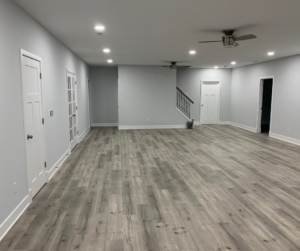
Basements are one of the most common locations for humidity-related damage because they sit below ground level and often have reduced airflow.
Common basement humidity problems include:
- Condensation on walls or pipes
- Damp drywall
- Mold growth
- Warped flooring
- Musty odors
Finished basements especially require moisture-resistant materials and proper humidity management.
Bathrooms
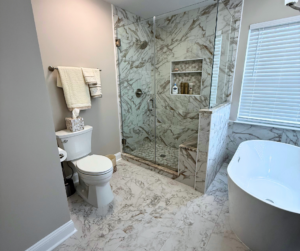
Bathrooms deal with daily moisture exposure from showers, sinks, and steam. Without proper ventilation, humidity builds up quickly.
This can lead to:
- Peeling paint
- Soft drywall
- Mold around ceilings or trim
- Flooring deterioration
Kitchens and Laundry Rooms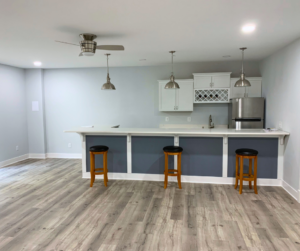
Cooking, dishwashing, and laundry appliances all contribute additional humidity to the home.
Poor ventilation in these spaces can accelerate wear on flooring and painted surfaces.
Warning Signs Homeowners Should Watch For
Humidity damage often develops gradually. Catching it early can prevent more extensive repairs later.
Homeowners in the Fredericksburg region should watch for: 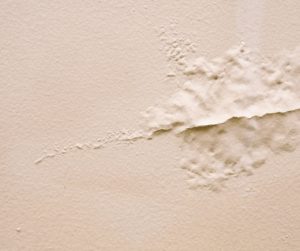
- Nail pops or drywall cracks
- Bubbling or peeling paint
- Warped flooring
- Soft drywall
- Musty odors
- Condensation on windows or walls
- Uneven floorboards
- Mold spots or discoloration
If these signs continue worsening during the summer months, humidity may be the underlying cause.
How to Protect Your Drywall and Flooring From Summer Humidity
Fortunately, there are several effective ways to reduce humidity-related damage inside your home.
Maintain Proper Indoor Humidity Levels
The ideal indoor humidity range is generally between 30% and 50%.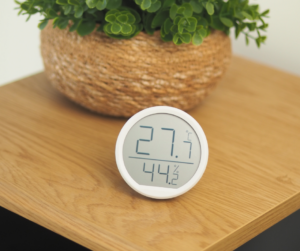
Using air conditioning consistently during humid weather helps regulate moisture levels. In particularly damp areas, dehumidifiers can provide additional protection.
This is especially important in:
- Basements
- Bathrooms
- Laundry rooms
- Older homes with limited airflow
Improve Ventilation
Ventilation helps remove moisture before it becomes trapped indoors.
Helpful improvements include: 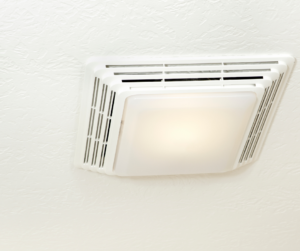
- Using bathroom exhaust fans
- Venting dryers properly
- Improving attic airflow
- Running ceiling fans
- Opening windows during lower-humidity periods
Use Moisture-Resistant Materials
When remodeling or repairing moisture-prone areas, choosing the right materials matters.
At Dickinson Drywall & Construction, we often recommend:
- Moisture-resistant drywall
- Mold-resistant drywall
- Waterproof flooring products like LVP
- Proper vapor barriers
- High-quality subfloor preparation
These materials perform better in Virginia’s humid climate and help reduce future problems.
Address Leaks Quickly
Even small plumbing or roof leaks can significantly worsen humidity issues.
Homeowners should regularly inspect:
- Pipes
- Appliances
- Roofing
- Windows
- Gutters
Quick repairs help prevent long-term damage to drywall and flooring.
Why Professional Installation Matters
Humidity problems often become worse when flooring or drywall is installed incorrectly. 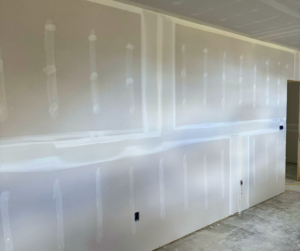
Poor installation can lead to:
- Inadequate expansion gaps
- Improper sealing
- Weak drywall seams
- Moisture trapped beneath flooring
- Incorrect material choices for the environment
Professional installation ensures your materials are prepared and installed properly for long-term durability.
At Dickinson Drywall & Construction, we help homeowners choose products and installation methods designed for Virginia’s seasonal conditions.
Final Thoughts
Summer humidity affects more than just comfort levels inside your home. Over time, excess moisture can damage drywall, flooring, paint, and structural materials if left unmanaged.
Understanding how humidity impacts these surfaces—and taking preventative steps early—can help protect your home from expensive repairs and long-term deterioration.
By improving ventilation, maintaining stable indoor humidity levels, choosing moisture-resistant materials, and addressing warning signs quickly, homeowners can significantly reduce the risk of summer moisture damage.
Protect Your Home From Humidity Damage
If you’re noticing warped flooring, drywall cracks, moisture damage, or signs of mold, Dickinson Drywall & Construction can help.
We provide professional drywall repair, flooring installation, basement finishing, and moisture-resistant remodeling solutions throughout the Fredericksburg, Stafford, and Spotsylvania region.
Call today: 540-318-6030
Visit: www.dickinsondrywall.com
Let’s protect your home and keep your interior looking its best year-round.