
Drywall damage happens in nearly every home at some point. A door handle leaves a dent in the wall, furniture scrapes a corner, or a small crack appears over time as a house naturally settles. These imperfections may seem minor at first, but if left untreated they can affect the appearance of your home and sometimes signal a deeper issue.
For many homeowners in the Fredericksburg, Stafford, and Spotsylvania region, the first instinct is to attempt a do-it-yourself repair. In some situations, that’s perfectly reasonable. Minor drywall damage can often be fixed with a few tools and a little patience.
However, drywall repair isn’t always as simple as it appears. Larger damage, poor patching techniques, or hidden moisture problems can lead to uneven walls, visible seams, or recurring cracks. In these cases, bringing in a professional drywall contractor can save both time and money.
At Dickinson Drywall & Construction, we regularly help homeowners across Northern Virginia repair drywall that has been damaged by everyday wear, water leaks, remodeling work, or accidental impacts. Understanding when to handle a repair yourself and when to call a professional can make a big difference in the final result.
This guide will help you identify the types of drywall damage you can typically fix yourself and the situations where professional help is the smarter choice.
Understanding Common Types of Drywall Damage
Before deciding how to repair drywall, it’s important to understand what caused the damage. Not all drywall issues are created equal, and the size or cause of the damage often determines the best repair method.
Some of the most common drywall issues homeowners encounter include: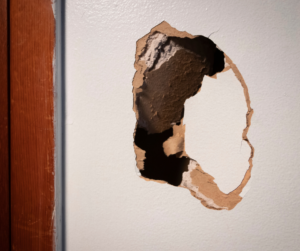
- Small nail holes from picture frames
- Minor dents or dings from furniture or door handles
- Hairline cracks from house settling
- Larger holes caused by accidents
- Water damage from leaks or plumbing issues
- Separated drywall seams
- Popped screws or nails
Each of these problems requires a slightly different approach. While some can be handled easily with a basic patch kit, others may require replacing sections of drywall entirely.
Drywall Repairs You Can Often Do Yourself
For homeowners who enjoy tackling small home improvement projects, certain drywall repairs are manageable without professional help. These repairs usually involve minimal tools and basic materials available at most hardware stores.
Small Nail or Screw Holes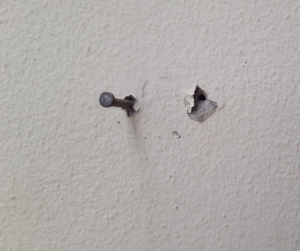
Tiny holes left behind by nails or screws are among the easiest drywall repairs. These are commonly found after removing picture frames, shelves, or wall anchors.
Repairing them usually involves applying a small amount of joint compound with a putty knife, smoothing the surface, letting it dry, and lightly sanding before repainting. Once finished, the repair should blend seamlessly with the surrounding wall.
Minor Dents or Dings
Walls in busy households often develop small dents over time. A bumped chair or swinging door can easily leave a mark.
If the drywall surface is still intact and the dent is shallow, a thin layer of joint compound can typically smooth the area. After sanding and painting, the repair should be virtually invisible.
Hairline Cracks
Small cracks can appear as homes naturally expand and contract with seasonal temperature changes. These cracks are often cosmetic rather than structural.
For minor cracks, applying drywall tape and a thin coat of joint compound can reinforce the area and restore the smooth surface.
Small Holes (Under About Two Inches)
Small holes created by wall anchors or accidental impact can often be repaired with a drywall patch kit. These kits include mesh patches and compound designed to cover small openings.
Once applied and sanded, the patched area can be painted to match the surrounding wall.
Tools Typically Needed for Small Drywall Repairs
Homeowners tackling small drywall repairs usually need a few basic tools and materials.
These often include: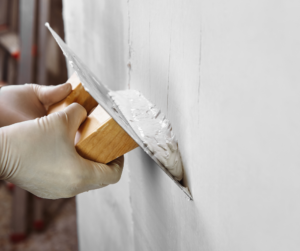
- Joint compound (also called drywall mud)
- Putty knife
- Sandpaper or sanding sponge
- Drywall patch kit
- Primer and matching paint
While these tools are relatively simple, achieving a smooth, professional-looking finish still requires patience and careful sanding.
When DIY Drywall Repairs Become Difficult
Although some drywall repairs appear straightforward, many homeowners discover that achieving a seamless finish can be harder than expected. Uneven patches, visible seams, or rough textures often appear once the wall is painted.
Several factors can make drywall repair more challenging.
Matching Wall Texture
Many homes have textured walls or ceilings. Matching the original texture requires specialized techniques and experience. Without the right tools or knowledge, patched areas may stand out against the rest of the wall.
Blending Paint
Even if the drywall repair is smooth, paint color matching can be difficult. Older paint may have faded over time, making touch-ups noticeable unless the entire wall is repainted.
Large Damaged Areas
Holes larger than a few inches usually require cutting out the damaged drywall and installing a new section. This involves measuring, securing backing supports, taping seams, applying multiple coats of compound, and sanding evenly.
For many homeowners, this process becomes more complicated than anticipated.
Drywall Repairs That Require Professional Help
Certain drywall issues are best handled by experienced contractors. These situations often involve structural concerns, extensive damage, or areas where cosmetic perfection matters.
Large Holes or Broken Sections
Large holes caused by accidents, plumbing work, or remodeling typically require replacing sections of drywall. This involves cutting out the damaged portion and installing new material that must blend perfectly with the surrounding wall.
Professional installers ensure the patch is properly supported and finished so it disappears completely once painted.
Water Damage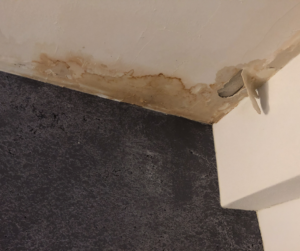
Water damage is one of the most serious drywall problems. Stains, soft spots, or bubbling paint often indicate moisture exposure from leaks or humidity issues.
Water-damaged drywall may need to be removed entirely to prevent mold growth and structural deterioration. A professional drywall contractor can safely assess and repair the area while addressing the underlying cause.
Repeated Cracking
If cracks continue to reappear after repair, the issue may be related to framing movement or structural settling. Professional contractors can determine whether additional reinforcement or repairs are needed.
Ceiling Repairs
Ceiling drywall repairs are more complex because they involve working overhead and ensuring patches are fully secure. Poor repairs can lead to sagging or visible seams.
Professional repair ensures the ceiling remains structurally sound and visually smooth.
Whole-Wall Repairs or Remodeling
When drywall damage affects large portions of a wall—or when walls are being modified during remodeling—professional installation is the best approach. This ensures the entire surface is finished consistently.
Benefits of Hiring a Professional Drywall Contractor
While DIY projects can be satisfying, hiring a professional often delivers better results for complex drywall repairs.
Working with an experienced contractor offers several advantages.
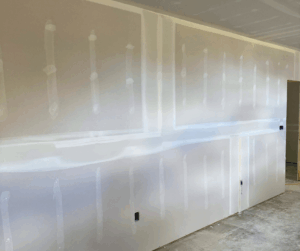
First, professionals have the tools and experience needed to achieve perfectly smooth finishes. This is especially important when repairing visible areas such as living rooms, kitchens, or entryways.
Second, contractors can identify underlying problems. Issues like moisture intrusion, structural movement, or framing defects can be addressed before they cause further damage.
Third, professional repairs save time. What might take a homeowner several weekends to complete can often be finished by a trained crew in a fraction of the time.
Finally, professional drywall repairs typically look seamless once painted. The repaired section blends naturally with the rest of the wall.
How to Prevent Future Drywall Damage
While some drywall damage is unavoidable, a few preventative steps can reduce the risk of future repairs.
Consider the following tips:
- Install door stoppers to prevent handles from hitting walls
- Use corner guards in high-traffic areas
- Anchor heavy shelving or TVs properly
- Address leaks or moisture issues immediately
- Avoid slamming doors that can cause structural vibration
Routine maintenance and small preventative measures can help keep walls in good condition for years.
Professional Drywall Repair in Fredericksburg and Northern Virginia
For homeowners in Fredericksburg, Stafford, Spotsylvania, and surrounding Northern Virginia communities, drywall repairs are one of the most common home maintenance tasks. While minor holes and dents can often be handled with DIY solutions, larger repairs require skill and experience to achieve professional results.
At Dickinson Drywall & Construction, we specialize in drywall installation and repair for both residential and commercial properties. Our team handles everything from small wall patches to full drywall replacement during remodeling projects.
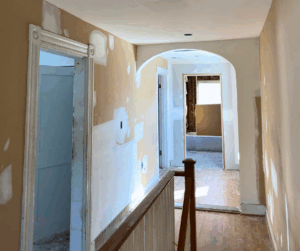
Our services include:
- Drywall repair and patching
- Seam and crack repair
- Ceiling drywall repair
- Water-damaged drywall replacement
- New drywall installation
- Interior finishing and remodeling
We focus on quality craftsmanship, clean job sites, and clear communication so homeowners feel confident in the results.
Final Thoughts
Drywall damage is a common part of homeownership, but it doesn’t have to be stressful. Understanding the difference between a simple DIY repair and a situation that requires professional help can save time, frustration, and money.
Small holes, minor dents, and hairline cracks are usually manageable with basic tools and patience. However, larger holes, water damage, recurring cracks, or ceiling repairs are best left to experienced professionals who can restore the wall to its original condition.
When the goal is a smooth, flawless finish that blends seamlessly with the rest of your home, professional drywall repair is often the smartest investment.
Need Drywall Repair in Fredericksburg?
If your walls or ceilings need professional attention, Dickinson Drywall & Construction is here to help. We proudly serve homeowners throughout the Fredericksburg, Stafford, and Spotsylvania region with reliable drywall repair and installation services.
Call us today: 540-318-6030
Let our experienced team restore your walls and keep your home looking its best.