Moisture damage is one of the most common issues affecting homes throughout the Fredericksburg, Stafford, and Northern Virginia region. While every home experiences some level of humidity, excess moisture can create serious problems—especially in areas like basements and bathrooms.
These spaces naturally deal with higher levels of water exposure due to plumbing, humidity, and limited airflow. Over time, moisture can lead to peeling paint, warped drywall, mold growth, and structural deterioration if it isn’t properly managed.
At Dickinson Drywall & Construction, we often help homeowners repair drywall and finishes damaged by moisture. In many cases, the damage could have been prevented with the right materials, ventilation, and maintenance practices.
Understanding how moisture affects your home—and how to stop it before it causes costly repairs—can protect both your property and your health. This guide explains the most common causes of moisture damage and how homeowners can prevent it in both basements and bathrooms.
Why Moisture Is a Serious Issue in Homes
Moisture may seem harmless at first, but it can quickly escalate into larger problems if left untreated. Excess water trapped behind walls or under flooring can weaken building materials and create the perfect environment for mold and mildew.
Moisture-related issues often lead to: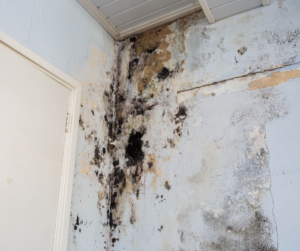
- Mold growth
- Drywall deterioration
- Wood rot
- Warped flooring
- Peeling paint
- Musty odors
- Structural damage
In humid climates like Northern Virginia, seasonal temperature changes can also contribute to moisture buildup inside homes. This is particularly noticeable in basements, where cooler temperatures meet humid summer air.
Because moisture problems often start out of sight, homeowners may not notice them until the damage becomes visible.
Common Causes of Moisture and Water Damage
Moisture problems can develop in many ways, and homeowners often don’t notice an issue until visible damage appears. Water intrusion is one of the leading causes of drywall damage, mold growth, and flooring issues in homes throughout the Fredericksburg and Northern Virginia region.
One of the most common causes is household leaks, which can slowly introduce moisture into walls, ceilings, and floors over time.
Other common causes include:
- Burst pipes caused by freezing temperatures, pressure changes, or aging plumbing
- Severe weather and heavy rain
- Leaking appliances like washing machines, dishwashers, refrigerators, or water heaters
- Clogged drains or gutters that allow water to overflow into the home
- HVAC drainage issues that lead to excess condensation and moisture buildup
- Damaged roofs that allow water to seep into ceilings and walls
- Sewage backups, which can create both property damage and health risks
Many moisture issues start small but worsen over time. Catching leaks and drainage problems early can help prevent expensive repairs and long-term damage in basements and bathrooms.
Why Basements Are Especially Vulnerable
Basements are naturally more susceptible to moisture because they sit below ground level. Soil surrounding the foundation retains water from rain and groundwater, and that moisture can eventually make its way into basement walls and floors.
Several factors can contribute to basement moisture problems, including poor drainage around the home, foundation cracks, or inadequate waterproofing.
Common signs of moisture issues in basements include: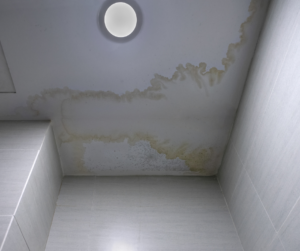
- Damp or humid air
- Condensation on walls or pipes
- Water stains on drywall
- Musty smells
- Efflorescence (white mineral residue on concrete)
Even small amounts of moisture can cause damage over time. If a basement is finished with drywall, flooring, and insulation, moisture problems can develop behind the walls long before they become visible.
Why Bathrooms Often Develop Moisture Damage
Bathrooms are another area where moisture naturally accumulates. Showers, baths, sinks, and toilets all contribute to humidity and water exposure.
Without proper ventilation, this moisture lingers in the air and settles on surfaces. Over time, it can penetrate drywall, grout, and flooring materials.
Common bathroom moisture issues include: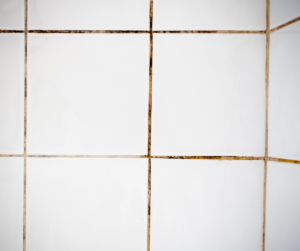
- Peeling paint or wallpaper
- Soft drywall around showers
- Mold in corners or on ceilings
- Warped trim or baseboards
- Discolored grout or caulking
Even newer bathrooms can develop these problems if ventilation systems are inadequate or materials are not designed to resist moisture.
Signs Your Home May Have Moisture Damage
Moisture damage doesn’t always appear as standing water. In many cases, the signs are subtle and develop slowly.
Homeowners should watch for warning signs such as: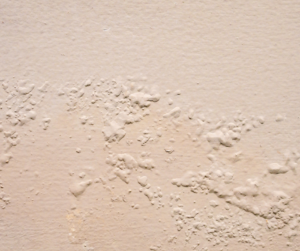
- Bubbling or peeling paint
- Dark stains on ceilings or walls
- Soft or crumbling drywall
- Persistent musty odors
- Mold spots on surfaces
- Warped or buckling flooring
If you notice these issues in your basement or bathroom, it’s important to investigate the source of the moisture as soon as possible.
How to Prevent Basement Moisture Problems
Preventing basement moisture starts with controlling water both outside and inside the home. A combination of drainage improvements, ventilation, and proper building materials can significantly reduce the risk.
Improve Exterior Drainage
One of the most important steps is directing water away from your home’s foundation.
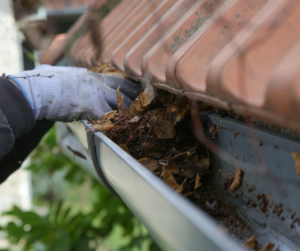
This includes:
- Keeping gutters clean and functioning properly
- Extending downspouts away from the foundation
- Ensuring the ground slopes away from the house
- Addressing pooling water after heavy rain
Proper drainage prevents groundwater from collecting near the foundation walls.
Seal Foundation Cracks
Even small cracks in foundation walls can allow water to seep into the basement. These cracks should be inspected and sealed before finishing basement walls.
Professional contractors can identify structural cracks that require more advanced repairs.
Use a Dehumidifier
Basements often benefit from the use of a dehumidifier to maintain balanced humidity levels. Ideally, indoor humidity should stay between 30% and 50%.
Lower humidity levels reduce the risk of mold growth and condensation.
Choose Moisture-Resistant Materials
If you are finishing a basement, selecting the right materials is critical. Standard drywall can absorb moisture and deteriorate quickly in humid environments.
Many contractors recommend:
- Moisture-resistant drywall (green board)
- Mold-resistant drywall
- Waterproof flooring such as luxury vinyl plank
- Treated framing materials
Using the correct materials helps protect the finished space long-term.
Preventing Moisture Damage in Bathrooms
Bathrooms require a slightly different approach to moisture prevention because of their constant exposure to water.
Install Proper Ventilation 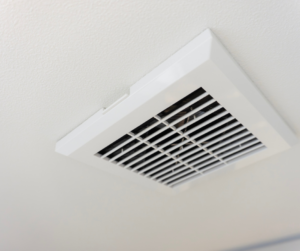
A high-quality exhaust fan is one of the most effective ways to reduce bathroom humidity. The fan should run during showers and remain on for at least 20 minutes afterward to remove excess moisture.
Without ventilation, steam condenses on walls and ceilings, eventually damaging drywall and paint.
Maintain Caulking and Grout
Caulking and grout around showers and tubs act as barriers that prevent water from reaching the drywall behind them.
Over time, these materials can crack or wear down. Regularly inspecting and replacing them helps prevent leaks.
Use Moisture-Resistant Drywall
Bathrooms benefit from moisture-resistant drywall in areas exposed to humidity. These materials are designed to withstand damp conditions better than standard drywall.
In shower areas, cement board or tile backer board should be used instead of drywall to provide maximum protection.
Wipe Down Surfaces
After showers, wiping down tile and glass surfaces can significantly reduce moisture buildup. While this may seem like a small step, it helps limit humidity and prevents mildew growth.
Proper Ventilation Is Essential
Ventilation plays a major role in preventing moisture damage throughout the home. Both basements and bathrooms need airflow to regulate humidity levels.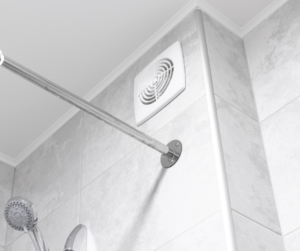
For bathrooms, this typically means installing an exhaust fan that vents outside the home rather than into an attic.
For basements, ventilation strategies may include:
- Dehumidifiers
- Air circulation systems
- Proper insulation
- Sealed windows and doors
Maintaining good airflow keeps moisture from lingering inside the home.
When to Call a Professional
While some moisture issues can be managed with maintenance and ventilation improvements, others require professional repair.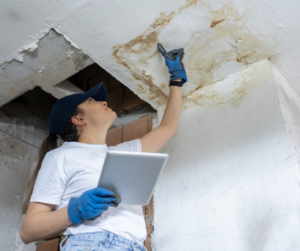
You should consider contacting a contractor if you notice:
- Persistent water leaks
- Large sections of damaged drywall
- Mold growth inside walls
- Structural cracks in the foundation
- Recurring moisture problems despite repairs
Professional contractors can identify the root cause of the moisture and recommend solutions that prevent the issue from returning.
Professional Basement and Drywall Services in Fredericksburg
For homeowners in Fredericksburg, Stafford, and Spotsylvania, moisture problems often lead to drywall damage that requires repair or replacement.
At Dickinson Drywall & Construction, we specialize in repairing moisture-damaged drywall and finishing basement spaces designed to withstand Northern Virginia’s climate.
Our services include:
- Drywall repair and replacement
- Moisture-resistant drywall installation
- Basement finishing
- Interior remodeling
- Flooring installation for moisture-prone spaces
Our team works with homeowners to ensure the materials used in basements and bathrooms provide long-term durability and protection.
Final Thoughts
Moisture damage can be one of the costliest problems a homeowner faces, but many issues can be prevented with the right planning and maintenance.
By improving drainage, installing proper ventilation, choosing moisture-resistant materials, and monitoring humidity levels, homeowners can protect their basements and bathrooms from long-term damage.
Addressing small moisture problems early is always easier—and far less expensive—than repairing extensive damage later.
Protect Your Home From Moisture Damage
If you’re dealing with damaged drywall or planning a basement remodel in the Fredericksburg region, Dickinson Drywall & Construction can help.
We provide expert drywall repair, moisture-resistant materials, and basement finishing services designed to last.
Call today: 540-318-6030
Schedule a consultation
Let our team help you protect and improve your home.